


What material is used for cone crusher liners?
 Dec 12, 2024|
 View:2794
Cone crushers are essential machines in the mining and aggregate industries, primarily used for crushing rocks and ores. The liners of a cone crusher are crucial components that directly affect the performance, efficiency, and longevity of the crusher. Understanding the materials used for cone crusher liners is vital for selecting the right type of liner for specific crushing applications. This article will explore the various materials used in cone crusher liners, their properties, advantages, and applications.
1. Overview of Cone Crusher Liners
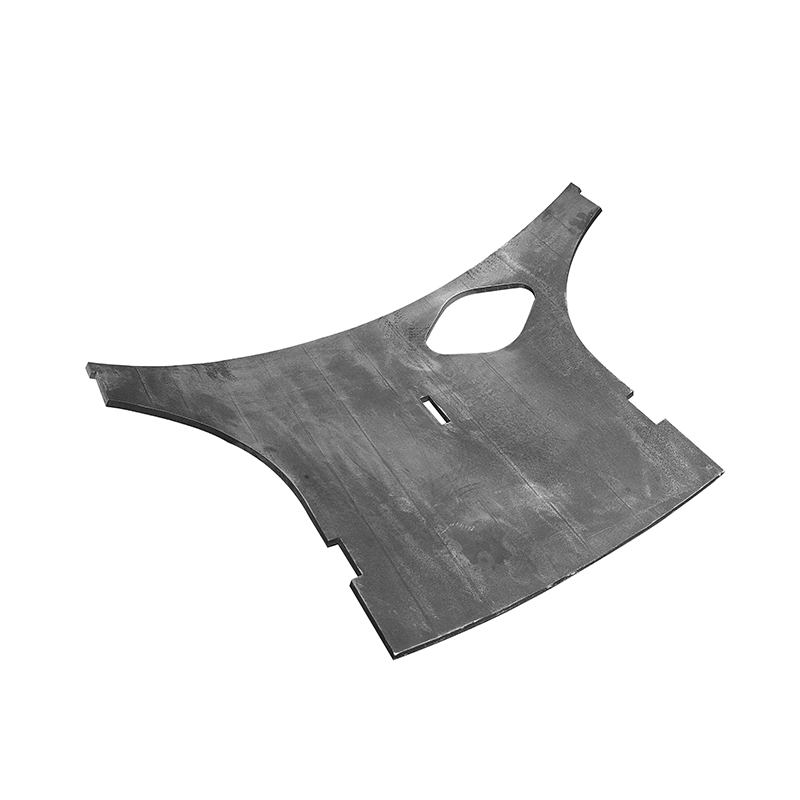
Cone crusher liners are the parts that come into direct contact with the material being crushed. They are designed to withstand significant wear and tear due to the abrasive nature of the materials processed in the crusher. The liners are typically made from high-strength materials that can endure high-impact forces and resist wear.
2. Common Materials Used for Cone Crusher Liners
2.1. Manganese Steel
Description:
Manganese steel is the most commonly used material for cone crusher liners. It typically contains 12% to 14% manganese, along with other alloying elements like carbon and chromium.
Properties:
High Impact Strength: Manganese steel is known for its ability to absorb shock and resist impact, making it ideal for high-impact applications.
Work Hardening: This material hardens under impact, increasing its surface hardness while maintaining toughness. This property helps extend the liner's life.
Good Ductility: Manganese steel retains ductility even at high hardness levels, reducing the risk of cracking during operation.
Applications:
Used in various cone crushers across the mining and aggregate industries.
Suitable for crushing hard, abrasive materials like quartzite and granite.
2.2. High-Carbon Steel
Description:
High-carbon steel contains a higher percentage of carbon (typically 0.5% to 1.5%) compared to standard steel. It is sometimes used in cone crusher liners for specific applications.
Properties:
Increased Hardness: The higher carbon content provides increased hardness and wear resistance.
Reduced Ductility: While it offers better wear resistance, high-carbon steel may have reduced ductility compared to manganese steel.
Applications:
Used in applications where abrasion resistance is more critical than impact resistance.
Common in secondary and tertiary crushing where the feed material is less abrasive.
2.3. Alloy Steel
Description:
Alloy steel is a type of steel that contains significant amounts of alloying elements other than carbon, such as chromium, nickel, molybdenum, and vanadium. These elements improve the material's mechanical properties.
Properties:
Enhanced Strength: Alloying elements enhance the strength and toughness of the steel.
Wear Resistance: Specific alloy compositions can be designed to optimize wear resistance for particular applications.
Applications:
Used in high-performance cone crushers where custom properties are required.
Suitable for processing a wide range of materials, including those with varying abrasiveness.
2.4. Ceramic Composites
Description:
Ceramic composites are materials that combine ceramics with metals or polymers to enhance certain properties. They are increasingly being explored for use in cone crusher liners.
Properties:
Extreme Hardness: Ceramic materials can be significantly harder than traditional steel liners, providing superior wear resistance.
Low Friction: Ceramics often exhibit lower friction coefficients, which can lead to improved efficiency in the crushing process.
Applications:
Used in specialized applications where extremely abrasive materials are processed.
Ideal for environments where traditional materials wear out quickly.
2.5. Rubber Liners
Description:
Rubber liners are sometimes used in cone crushers, especially in applications where impact absorption is critical. They are often used in conjunction with metal liners.
Properties:
High Resilience: Rubber liners can absorb shock and vibrations, helping to protect the crusher.
Reduced Noise: Rubber materials can reduce operational noise levels.
Applications:
Commonly used in mobile crushers and in applications where noise reduction is a concern.
Suitable for softer materials that do not require high wear resistance.
3. Comparison of Materials
| Material | Hardness | Impact Resistance | Wear Resistance | Applications |
|---|---|---|---|---|
| Manganese Steel | High | Very High | High | General crushing, hard materials |
| High-Carbon Steel | Moderate | Moderate | High | Secondary crushing, less abrasive materials |
| Alloy Steel | Variable | High | Variable | High-performance applications |
| Ceramic Composites | Very High | Moderate | Extremely High | Highly abrasive materials |
| Rubber Liners | Low | High | Low | Noise-sensitive applications, softer materials |
4. Factors Influencing Material Selection
Selecting the appropriate material for cone crusher liners involves several considerations:
4.1. Material Abrasiveness
The abrasiveness of the material being crushed significantly influences the choice of liner material. Harder, more abrasive materials typically require cone crusher liners made of manganese steel or ceramic composites to withstand wear.
4.2. Impact Forces
The impact forces generated during the crushing process affect the durability of the liners. High-impact applications may benefit from the use of manganese steel due to its excellent impact resistance and work-hardening properties.
4.3. Operating Conditions
Factors such as temperature, moisture content, and the presence of corrosive agents can influence material selection. For instance, in corrosive environments, alloy steels with corrosion-resistant properties may be preferred.
4.4. Cost Considerations
While high-performance materials like ceramic composites offer superior wear resistance, they may also come at a higher cost. Balancing performance requirements with budget constraints is essential in material selection.
4.5. Liner Life Expectancy
The expected lifespan of the cone crusher liners is another critical factor. Selecting a material that provides the desired durability while maximizing operational uptime can lead to increased productivity and lower maintenance costs.
The choice of material for cone crusher liners plays a significant role in the performance and longevity of the crusher. Manganese steel remains the most popular choice due to its excellent impact resistance and work-hardening properties. However, other materials like high-carbon steel, alloy steel, ceramic composites, and rubber liners offer specific advantages for various applications.
Understanding the properties and applications of these materials allows engineers and operators to make informed decisions, ensuring optimal performance in their crushing operations. As technology advances, the development of new materials and composites may further enhance the capabilities and efficiency of cone crushers in the future.