


The Advantages and Characteristics of Crusher Parts
 Dec 03, 2024|
 View:2577
Crusher parts play a vital role in the operation of crushing machinery, which is essential in various industries such as mining, construction, and recycling. These parts are designed to handle the rigorous demands of crushing large materials into smaller pieces. Understanding the advantages and characteristics of crusher parts is crucial for optimizing performance, enhancing durability, and ensuring cost-effectiveness in operations. This article explores these aspects in detail, providing insights into what makes quality crusher parts indispensable in the industry.
The Role of Crusher Parts
Before delving into their advantages and characteristics, it’s important to recognize the fundamental role that crusher parts play. They are responsible for:
Breaking Down Materials: Crusher parts interact with raw materials to reduce their size for further processing or disposal.
Supporting Machine Operation: They ensure the smooth functioning of the crusher, contributing to overall operational efficiency.
Facilitating Material Flow: Properly designed parts enhance the flow of materials through the crushing chamber, ensuring consistent output.
Key Advantages of Quality Crusher Parts
1. Enhanced Durability
One of the primary advantages of high-quality crusher parts is their durability. Made from advanced materials such as high manganese steel, chrome steel, and alloy steel, these parts can withstand severe wear and tear. This durability translates to:
Longer Lifespan: Quality parts resist abrasion and impact, reducing the frequency of replacements and maintenance.
Reduced Downtime: Fewer breakdowns and repairs lead to increased operational uptime, which is critical in high-demand environments.
2. Improved Performance
The performance of a crusher is heavily influenced by the quality of its parts. Key aspects include:
Efficiency: Well-designed parts optimize the crushing process, allowing for higher throughput and better particle size distribution.
Consistent Output: Quality parts ensure that the crusher operates smoothly, resulting in a steady flow of material that meets production targets.
3. Cost-Effectiveness
Investing in high-quality crusher parts may seem more expensive initially, but the long-term savings are significant. This cost-effectiveness arises from several factors:
Fewer Replacements: Durable parts reduce the need for frequent replacements, lowering overall operational costs.
Lower Maintenance Needs: Reliable parts require less frequent maintenance, saving labor costs and downtime.
Increased Productivity: Enhanced performance leads to higher productivity, maximizing return on investment.
4. Customization Options
Many manufacturers offer a range of customization options for crusher parts. This flexibility allows businesses to tailor parts to their specific needs, which can lead to:
Optimized Performance: Customized parts can be designed to suit particular materials, crushing conditions, and operational requirements.
Better Fit: Ensuring that parts fit correctly reduces the risk of operational issues and enhances overall efficiency.
5. Enhanced Safety
Quality crusher parts contribute to safer operations. This is achieved through:
Reliable Performance: Well-manufactured parts reduce the likelihood of sudden failures that could endanger personnel.
Improved Design: Many modern parts incorporate safety features that protect users during operation and maintenance.
Characteristics of Quality Crusher Parts
Understanding the characteristics of quality crusher parts can help in selecting the right components for specific applications. Here are some key characteristics to consider:
1. Material Composition
The material used in manufacturing crusher parts significantly impacts their performance. High-quality materials typically include:
High Manganese Steel: Known for its excellent abrasion resistance and ability to work-harden, making it ideal for jaw and cone crushers.
Chrome Steel: Offers superior toughness and resistance to wear, particularly in impact crushers.
Alloy Steel: Provides enhanced strength and ductility, suitable for high-stress applications.
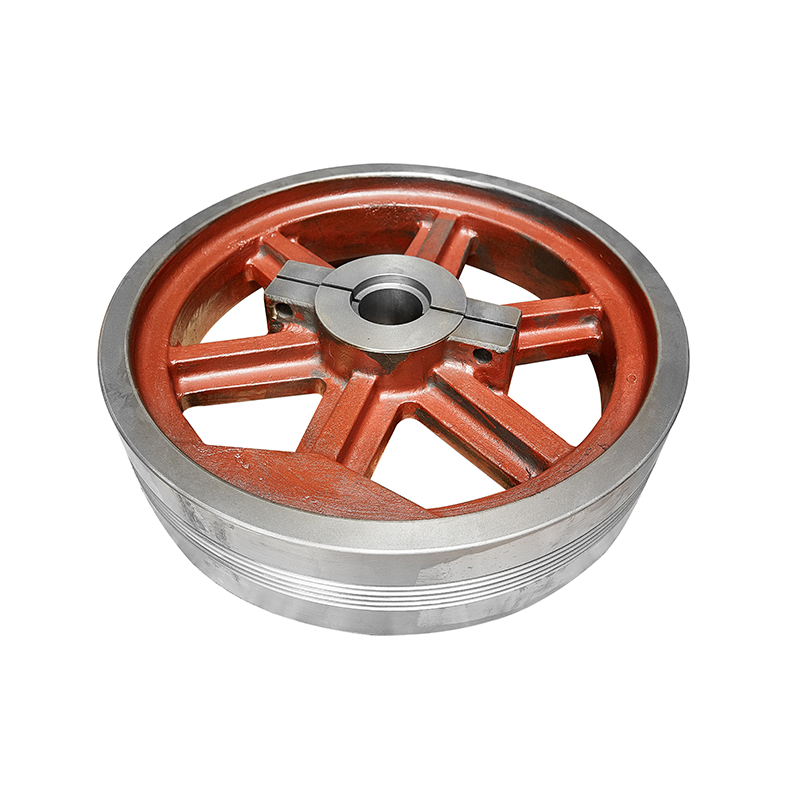
2. Design and Engineering
The design and engineering of crusher parts are critical for their functionality. Key design features include:
Geometric Shape: The shape of parts such as jaws, mantles, and liners is engineered to maximize the crushing action and material flow.
Surface Finish: A smooth surface finish can reduce friction and wear, enhancing the efficiency of the crushing process.
3. Precision Manufacturing
Quality crusher parts are manufactured with precision to ensure they fit perfectly and operate effectively. Characteristics include:
Tolerances: Tight tolerances in manufacturing prevent gaps that can lead to inefficient operation or excessive wear.
Consistent Quality: High-quality manufacturing processes ensure that every part meets stringent quality standards.
4. Wear Resistance
The ability of crusher parts to resist wear is a crucial characteristic. This is influenced by:
Material Hardness: Harder materials generally provide better wear resistance.
Surface Treatments: Some parts undergo treatments such as hardfacing to enhance their durability and wear resistance.
5. Compatibility
Compatibility with the specific crusher model is essential. This characteristic ensures that the parts integrate seamlessly with the machine, which leads to:
Optimal Performance: Properly fitted parts enhance the overall efficiency of the crushing process.
Reduced Risk of Damage: Incompatible parts can cause misalignment and damage to both the parts and the machine.
Maintenance Practices for Crusher Parts
To maximize the advantages of crusher parts, implementing effective maintenance practices is essential. Key practices include:
1. Regular Inspections
Conducting frequent inspections helps identify wear and potential issues before they escalate. Key areas to check include:
Wear Patterns: Observing wear on critical components can inform timely replacements.
Alignment and Fit: Ensuring parts are correctly aligned prevents undue stress and wear.
2. Lubrication
Proper lubrication of moving parts reduces friction and wear, extending the lifespan of the components. Regular lubrication schedules should be established based on manufacturer recommendations and operational conditions.
3. Cleaning
Keeping the crusher and its parts clean prevents material buildup, which can hinder performance. Regular cleaning helps maintain efficient operation and reduces wear on parts.
4. Timely Replacement
Recognizing when parts need replacement is crucial for maintaining performance. Implementing a monitoring system can help track the condition of parts and facilitate timely replacements.
The advantages and characteristics of crusher parts are critical for the efficiency, durability, and overall performance of crushing machinery. Investing in high-quality parts, understanding their specific attributes, and implementing effective maintenance practices can significantly enhance operational success. As industries continue to evolve and demand more from their equipment, the importance of reliable and resilient crusher parts will only grow. By aligning with reputable manufacturers and prioritizing quality, businesses can ensure they remain competitive in their respective markets.