


What is the shaft of a jaw crusher?
 Apr 14, 2025|
 View:1951
Jaw crushers are essential devices in the mining and construction industries, widely used for crushing various materials, including rocks and ores. One of the most critical components of a jaw crusher is itsshaft. This article explores the function, design, types, and significance of the shaft in a jaw crusher, delving into its role in the overall operation and efficiency of the machine.
The Role of the Shaft in a Jaw Crusher
The shaft in a jaw crusher serves several important functions:
Support for the Moving Jaw: The shaft is a vital support structure for the moving jaw, enabling it to pivot and crush materials effectively.
Transmission of Force: The shaft transmits the forces generated during the crushing process, facilitating the movement of the jaw and the crushing action.
Alignment and Stability: The shaft provides structural integrity and alignment for the components of the jaw crusher, ensuring smooth operation.
Load Distribution: It helps distribute the load evenly across the machine, reducing stress on individual components and enhancing durability.
Design of the Jaw Crusher Shaft
The design of the shaft is crucial for the overall performance of the jaw crusher. Key aspects of its design include:
1. Material Selection
The shaft is typically made from high-strength materials such as carbon steel or alloy steel to withstand the stresses and strains of crushing. The material must be durable and resistant to wear and fatigue.
2. Diameter and Length
The diameter and length of the shaft are designed based on the size and type of jaw crusher. A larger, heavier-duty crusher will have a thicker shaft to handle greater loads, while smaller crushers may have a more compact design.
3. Machining and Finish
Precision machining is required to ensure that the shaft fits correctly within the crusher assembly. A smooth finish reduces friction, enhancing the efficiency of the crushing process.
4. Bearings and Supports
The shaft typically incorporates bearings at both ends to allow for smooth rotation. These bearings must be adequately lubricated and maintained to prevent wear and overheating.
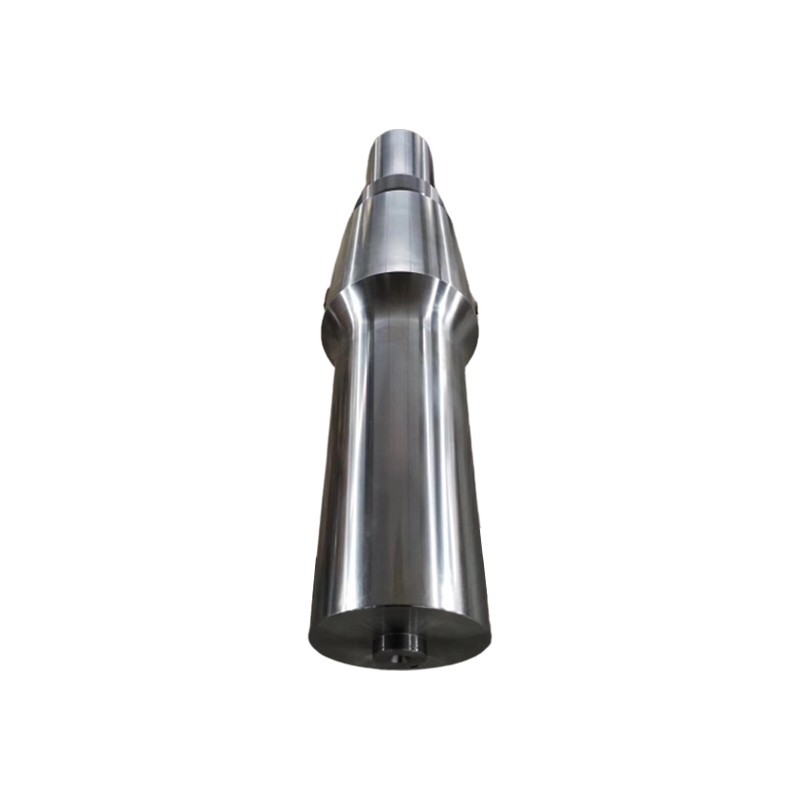
Types of Shafts in Jaw Crushers
There are generally two types of shafts used in jaw crushers:
1. Eccentric Shaft
The eccentric shaft is a key component that drives the motion of the moving jaw. It is designed to rotate, causing the jaw to move in an elliptical motion, which effectively crushes the material. Key characteristics of the eccentric shaft include:
Eccentric Motion: The design allows for a unique motion that increases crushing efficiency.
Load Distribution: The eccentric shaft helps distribute the load evenly, reducing stress on the components.
Durability: Made from high-strength materials, the eccentric shaft is built to withstand the rigorous demands of crushing.
2. Main Shaft
The main shaft is the central component of the jaw crusher, supporting both the moving and stationary jaws. Its primary functions include:
Support Structure: It provides the foundational support for the entire jaw crusher assembly.
Alignment: Ensures that the jaws remain properly aligned during operation, facilitating effective crushing.
Importance of the Shaft in Jaw Crusher Operation
The shaft plays a critical role in the overall operation of a jaw crusher:
1. Efficiency
A well-designed and maintained shaft contributes to the efficient operation of the crusher. It ensures that the moving jaw operates smoothly, maximizing the crushing capacity.
2. Reliability
The reliability of the shaft is vital for the longevity of the jaw crusher. A durable shaft minimizes the risk of unexpected breakdowns and maintenance issues, leading to lower operational costs.
3. Performance Consistency
A properly functioning shaft ensures consistent performance over time. This consistency is crucial for maintaining production schedules and meeting output targets.
4. Safety
The shaft's design and functionality also contribute to the safety of the machine. A failure in the shaft can lead to catastrophic equipment failure, posing risks to operators and other personnel.
Maintenance of the Jaw Crusher Shaft
Regular maintenance of the shaft is essential to ensure its longevity and performance. Key maintenance practices include:
1. Lubrication
Proper lubrication of bearings and moving parts is crucial to reduce friction and wear. Regular checks and maintenance of the lubrication system can prevent overheating and premature failure.
2. Inspection
Routine inspections should be conducted to check for signs of wear, misalignment, or damage. Early detection of issues can prevent more significant problems down the line.
3. Replacement
When wear exceeds acceptable limits, the shaft should be replaced promptly. Operating a jaw crusher with a worn or damaged shaft can lead to reduced efficiency and increased risk of failure.
4. Alignment Checks
Regular checks of the shaft alignment can help maintain optimal performance. Misalignment can lead to uneven wear and increased stress on components.
The shaft of a jaw crusher is a critical component that significantly influences the machine's efficiency, reliability, and overall performance. Its design, material selection, and maintenance are essential factors that contribute to the successful operation of the crusher. Understanding the role and significance of the shaft helps operators and engineers optimize performance and ensure the longevity of their equipment. As technology continues to advance, innovations in shaft design and materials will likely enhance the capabilities of jaw crushers, improving efficiency and productivity in various applications. Proper care and maintenance of the shaft will remain paramount in maximizing the performance of these vital machines in the mining and construction industries.