


What are the parts and functions of a jaw crusher?
 May 28, 2025|
 View:1845
A jaw crusher is a primary crushing machine widely used in mining, construction, and recycling industries to break down large, hard materials like rocks, ores, and concrete into smaller, manageable sizes. Its robust design and efficient operation make it indispensable for high-volume processing. Below is a comprehensive breakdown of its key components and their functions.
1. Frame
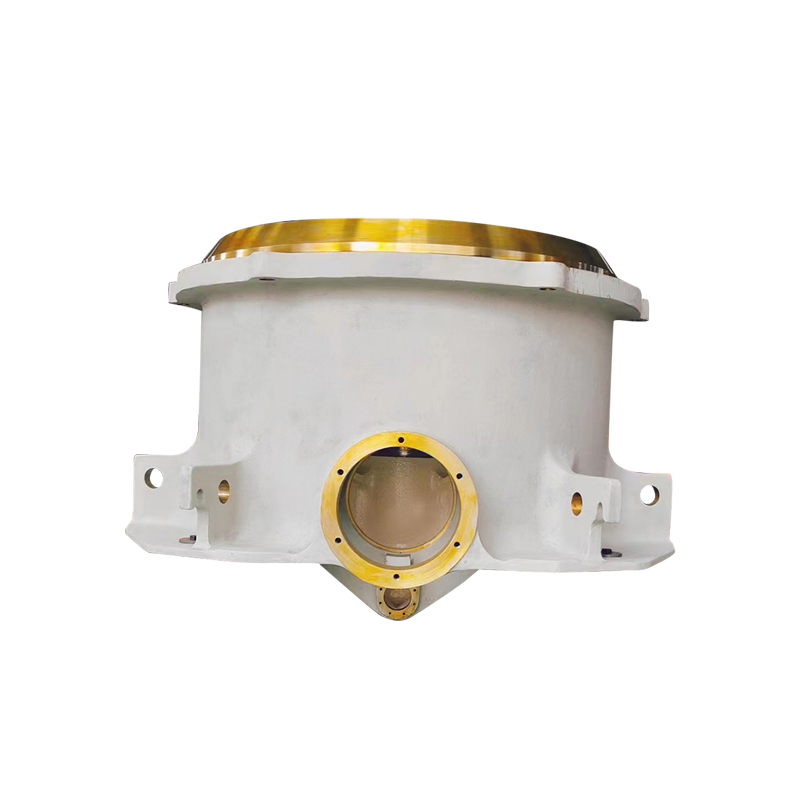
The frame is the structural backbone of the jaw crusher, typically made of high-quality steel or cast iron to withstand heavy loads and vibrations during operation. It houses all other components and ensures stability. Modern designs, like the Nordberg C Series, use pinned and bolted non-welded frames for enhanced fatigue resistance.
2. Jaw Plates (Fixed and Movable)
Fixed Jaw Plate: Attached to the front of the frame, it remains stationary during crushing.
Movable Jaw Plate: Driven by an eccentric shaft, it reciprocates against the fixed jaw to compress and break materials.
Both plates are usually made of high-manganese steel for durability and can be replaced or reversed when worn.
3. Crushing Chamber
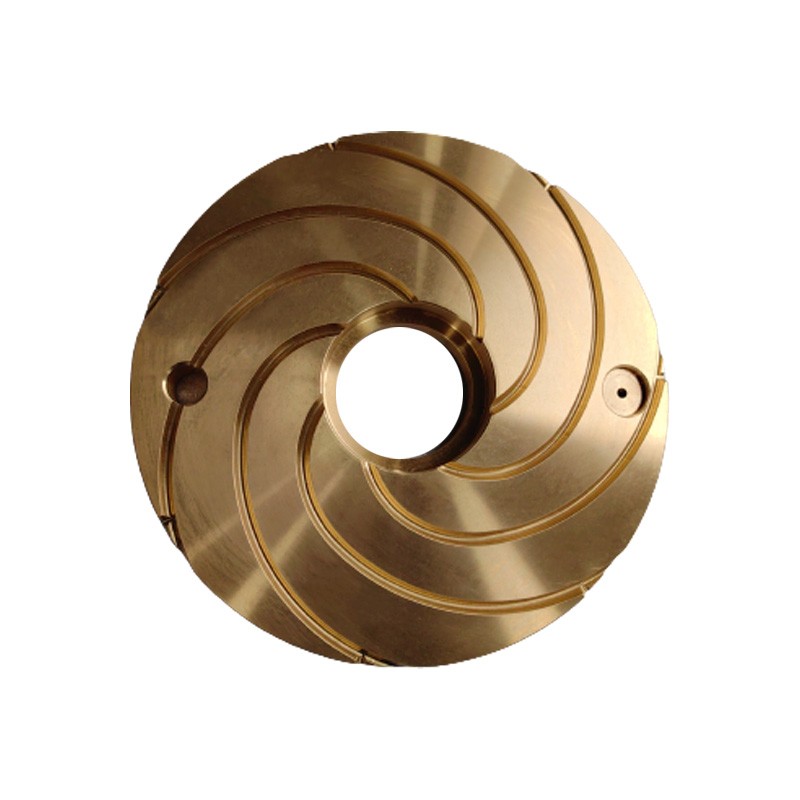
The space between the jaw plates where material is crushed. Its design (e.g., V-shaped or deep cavity) affects efficiency and output size. A steeper nip angle improves reduction ratios.
4. Eccentric Shaft
The eccentric shaft is the main rotating component, converting motor power into the reciprocating motion of the movable jaw. It is precision-machined from high-carbon steel and supported by heavy-duty bearings.
5. Pitman (Moving Jaw Assembly)
The pitman connects the eccentric shaft to the movable jaw. It transmits force and must endure significant stress. Universal jaw crushers feature pitmans designed for heavy loads.
6. Toggle Plate
A safety component that absorbs shock loads and prevents damage from uncrushable materials. In double-toggle crushers, it also guides the movable jaw’s horizontal motion.
7. Flywheel
The flywheel stores energy during idle strokes and releases it during crushing, ensuring smooth operation and reducing power fluctuations. It is typically made of cast iron or steel.
8. Adjustment Mechanism
Controls the discharge opening size to regulate output granularity. Common types include:
Hydraulic Adjustment: Uses cylinders for precise, in-process adjustments (common in modern crushers).
Mechanical/Wedge Adjustment: Manual shims or screws (found in older models).
9. Lubrication System
Critical for reducing friction in bearings and eccentric shafts. Centralized automatic lubrication systems are standard in advanced models.
10. Drive System
Includes:
Motor: Powers the eccentric shaft via belts or direct drive.
V-Belts/Pulleys: Transmit power and act as a fail-safe against overloads.
11. Safety and Automation Features
Overload Protection: Hydraulic or mechanical systems release pressure if uncrushable material enters.
Remote Monitoring: Modern crushers (e.g., Nordberg C Series) offer real-time parameter tracking.
Working Principle
Material Feeding: Rocks enter the crushing chamber through the feed opening.
Compression: The movable jaw moves toward the fixed jaw, crushing the material.
Discharge: Crushed material exits through the adjustable discharge opening.
Types of Jaw Crushers
Single-Toggle: The movable jaw moves in an elliptical motion, driven directly by the eccentric shaft. Simpler design but less crushing force.
Double-Toggle: Uses a toggle plate for horizontal motion, generating higher crushing force but with more moving parts.
Applications
Jaw crushers are used in:
Mining: Primary crushing of ores (e.g., gold, iron).
Aggregate Production: Crushing granite, basalt for construction.
Recycling: Processing concrete and demolition waste.
Maintenance Tips
Regularly inspect jaw plates, bearings, and toggle plates for wear.
Ensure proper lubrication to extend component life.
Jaw crushers are versatile machines combining robust engineering with precise functionality. Understanding their parts and maintenance needs ensures optimal performance and longevity in demanding industrial applications.