


Exploring Crusher Hubs: Functions, Benefits, and Future Trends
 Oct 29, 2024|
 View:599
In the realm of mining, construction, and recycling, the efficient processing of materials is paramount. Among the various components that facilitate this process, the crusher hub stands out as a critical element that ensures operational efficiency and productivity. This article delves into the concept of crusher hubs, their functions, benefits, and emerging trends in the industry.
What is a Crusher Hub?
A crusher hub refers to a centralized system or platform that integrates various functions of crushing machinery. It serves as the focal point for managing the crushing process, coordinating different components such as feeders, crushers, and screens. The hub is essential for optimizing the workflow, enhancing communication between machines, and providing operators with real-time data and analysis.
Components of a Crusher Hub
Control Systems: These include software and hardware that monitor and control the operation of crushing equipment. Advanced control systems enable automation and remote monitoring, allowing for real-time adjustments and improved efficiency.
Data Analytics: Modern crusher hubs incorporate data analytics tools that collect and analyze performance metrics. This data helps in predicting maintenance needs, optimizing operations, and improving overall productivity.
Integration with Other Systems: Crusher hubs often integrate with other operational systems, such as inventory management and transportation logistics, to streamline the entire process from material extraction to final delivery.
User Interface: A user-friendly interface is crucial for operators to interact with the hub. This interface provides insights into performance metrics, alerts for maintenance, and options for manual control when necessary.
Functions of a Crusher Hub
1. Centralized Control
One of the primary functions of a crusher hub is to provide centralized control over the crushing process. By connecting various machines and components, the hub ensures that all parts of the operation are synchronized. This minimizes delays and enhances the overall efficiency of the crushing process.
2. Real-Time Monitoring
Modern crusher hubs are equipped with sensors and monitoring systems that provide real-time data on equipment performance. This data can include information on throughput, energy consumption, wear rates, and more. Real-time monitoring allows operators to make informed decisions, optimizing performance and reducing downtime.
3. Predictive Maintenance
By analyzing data collected from various machines, a crusher hub can predict when maintenance is required. This predictive maintenance capability helps prevent unexpected breakdowns and costly repairs. By addressing issues before they escalate, companies can improve equipment longevity and maintain consistent productivity.
4. Enhanced Communication
Crusher hubs facilitate communication between different machines and operators. This ensures that any adjustments needed in the crushing process can be communicated and implemented swiftly. Enhanced communication reduces the chances of errors and improves overall workflow.
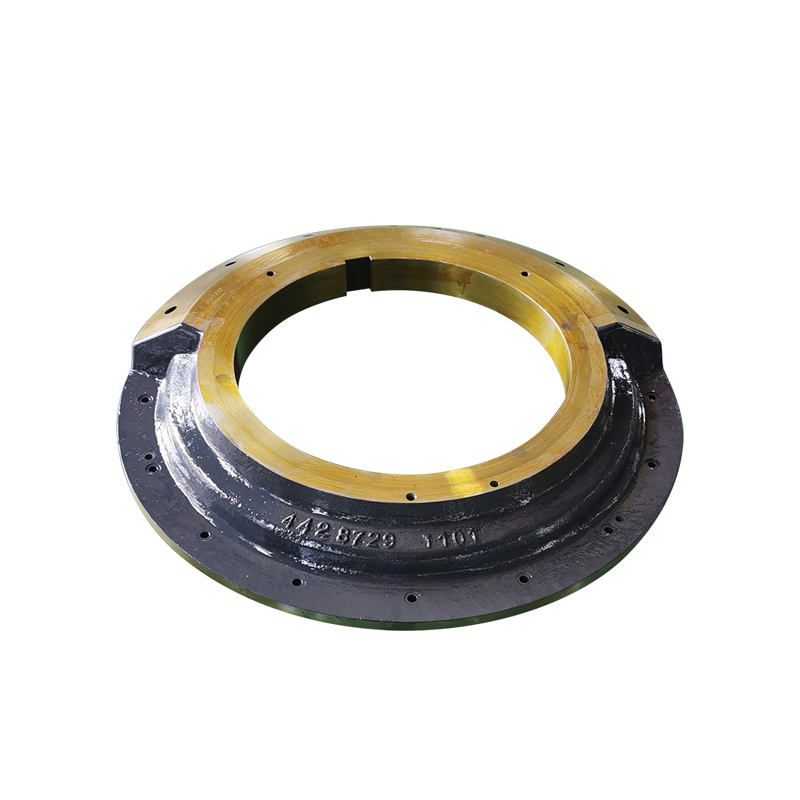
Benefits of Using a Crusher Hub
1. Increased Efficiency
The centralized control and real-time monitoring capabilities of a crusher hub lead to increased operational efficiency. By optimizing workflows and minimizing delays, companies can process materials more quickly and effectively.
2. Cost Savings
By implementing predictive maintenance and reducing downtime, crusher hubs can lead to significant cost savings. Moreover, the integration of various operational systems can reduce overhead costs associated with managing multiple separate systems.
3. Improved Safety
With real-time monitoring and automated control systems, a crusher hub enhances workplace safety. Operators can receive alerts about potential hazards or equipment malfunctions, allowing for timely interventions. This proactive approach to safety minimizes risks and protects workers.
4. Data-Driven Decision Making
The analytics capabilities of crusher hubs provide valuable insights into operational performance. By leveraging this data, companies can make informed decisions regarding equipment upgrades, process improvements, and resource allocation. Data-driven decision-making leads to better strategic planning and enhanced productivity.
Applications of Crusher Hubs
1. Mining Operations
In the mining industry, crusher hubs are vital for managing the crushing and processing of minerals. They enable efficient coordination between different machines, ensuring a smooth flow of materials from extraction to processing.
2. Construction Sites
Crushing and recycling materials on construction sites require precise coordination and control. Crusher hubs help manage the crushing process, optimize material usage, and ensure compliance with environmental regulations.
3. Recycling Facilities
Recycling operations often involve processing a variety of materials, including concrete, asphalt, and metals. Crusher hubs play a crucial role in managing these diverse materials, improving efficiency, and reducing waste.
4. Aggregate Production
For companies involved in aggregate production, crusher hubs streamline the crushing and screening processes. This leads to higher quality aggregates and improved production rates.
Challenges and Solutions
1. Integration with Legacy Systems
One of the challenges in implementing a crusher hub is integrating it with existing legacy systems. Many companies operate older machinery that may not be compatible with modern technology.
Solution: Gradual upgrades and the use of middleware can help bridge the gap between legacy systems and new technologies. Investing in adaptable systems can also facilitate smoother integration.
2. Data Security
With increased connectivity and data sharing comes the risk of cyber threats. Protecting sensitive operational data is crucial for maintaining business integrity.
Solution: Implementing robust cybersecurity measures, including firewalls, encryption, and regular security audits, can help safeguard data. Employee training on cybersecurity best practices is also essential.
3. Training and Skill Development
The introduction of advanced technologies requires operators to possess new skills. There may be a learning curve associated with using sophisticated control systems and data analytics tools.
Solution: Providing comprehensive training programs for operators can ensure they are equipped to handle new technologies effectively. Ongoing support and resources can help reinforce skills and knowledge.
Crusher hubs are a vital component in the modern landscape of mining, construction, and recycling industries. By centralizing control, enabling real-time monitoring, and facilitating predictive maintenance, these systems significantly enhance operational efficiency, safety, and cost-effectiveness. As technology continues to evolve, the future of crusher hubs looks promising, with innovations in automation, IoT, and sustainability paving the way for more efficient and responsible operations.